


【singmool】
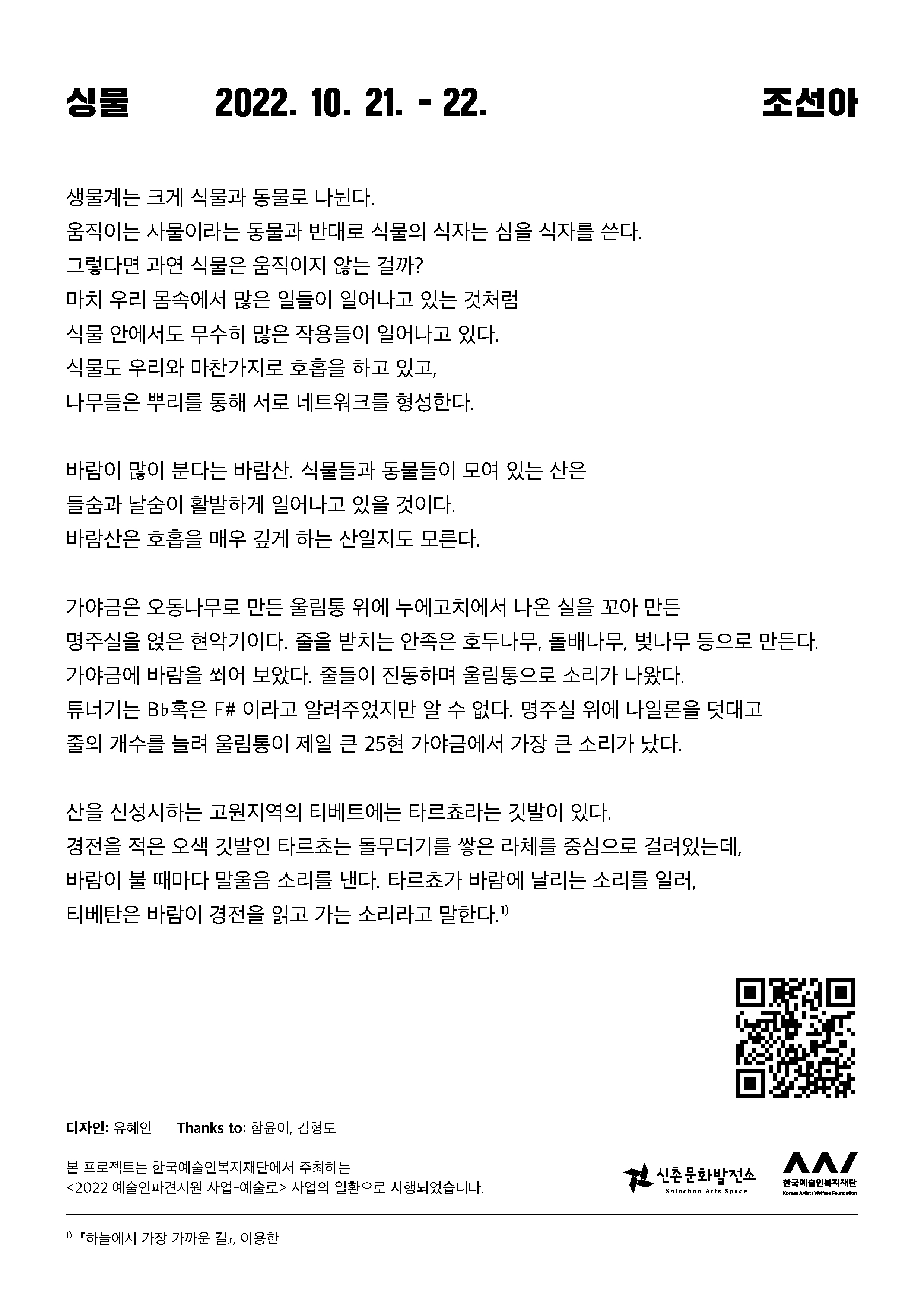
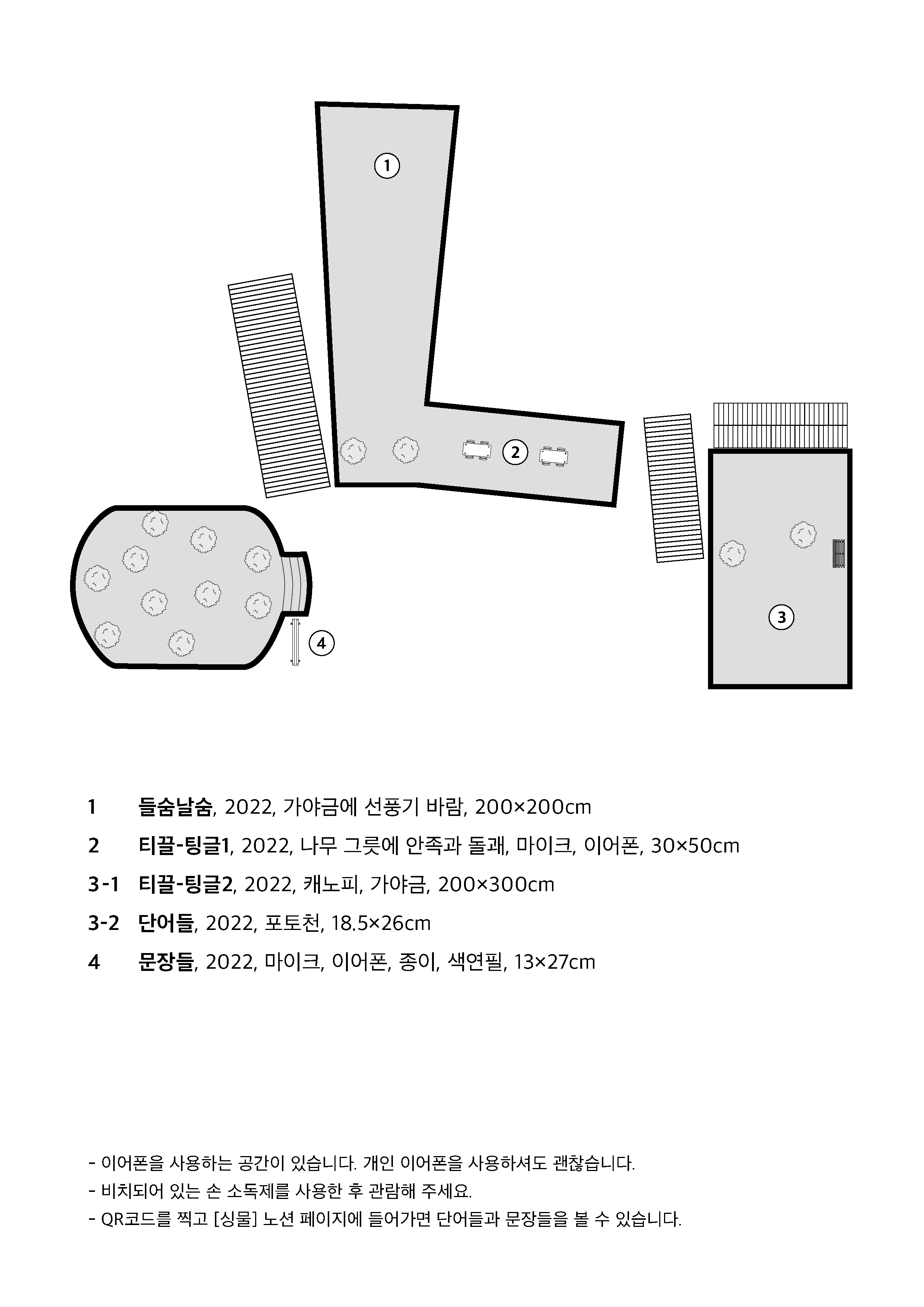
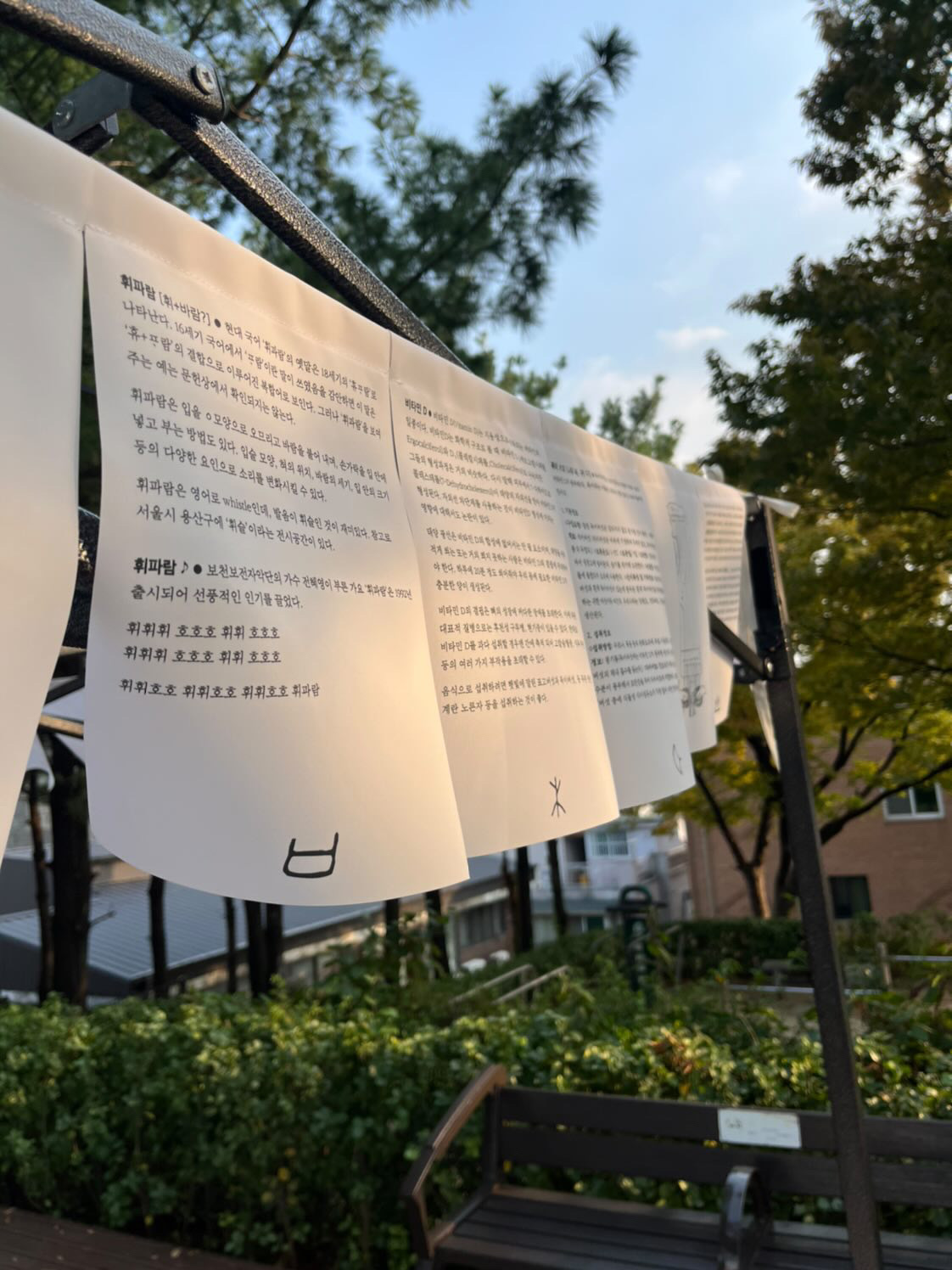
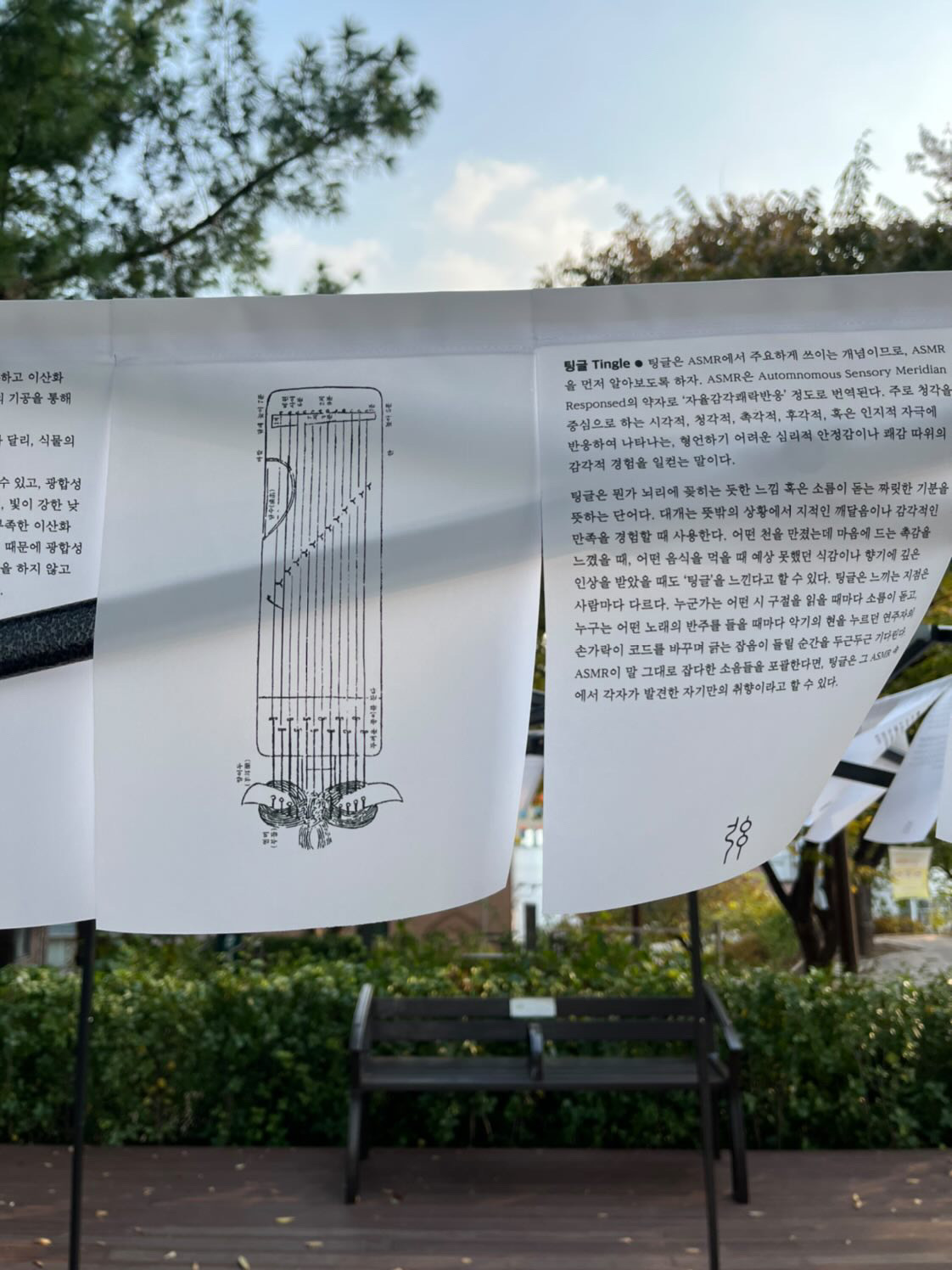
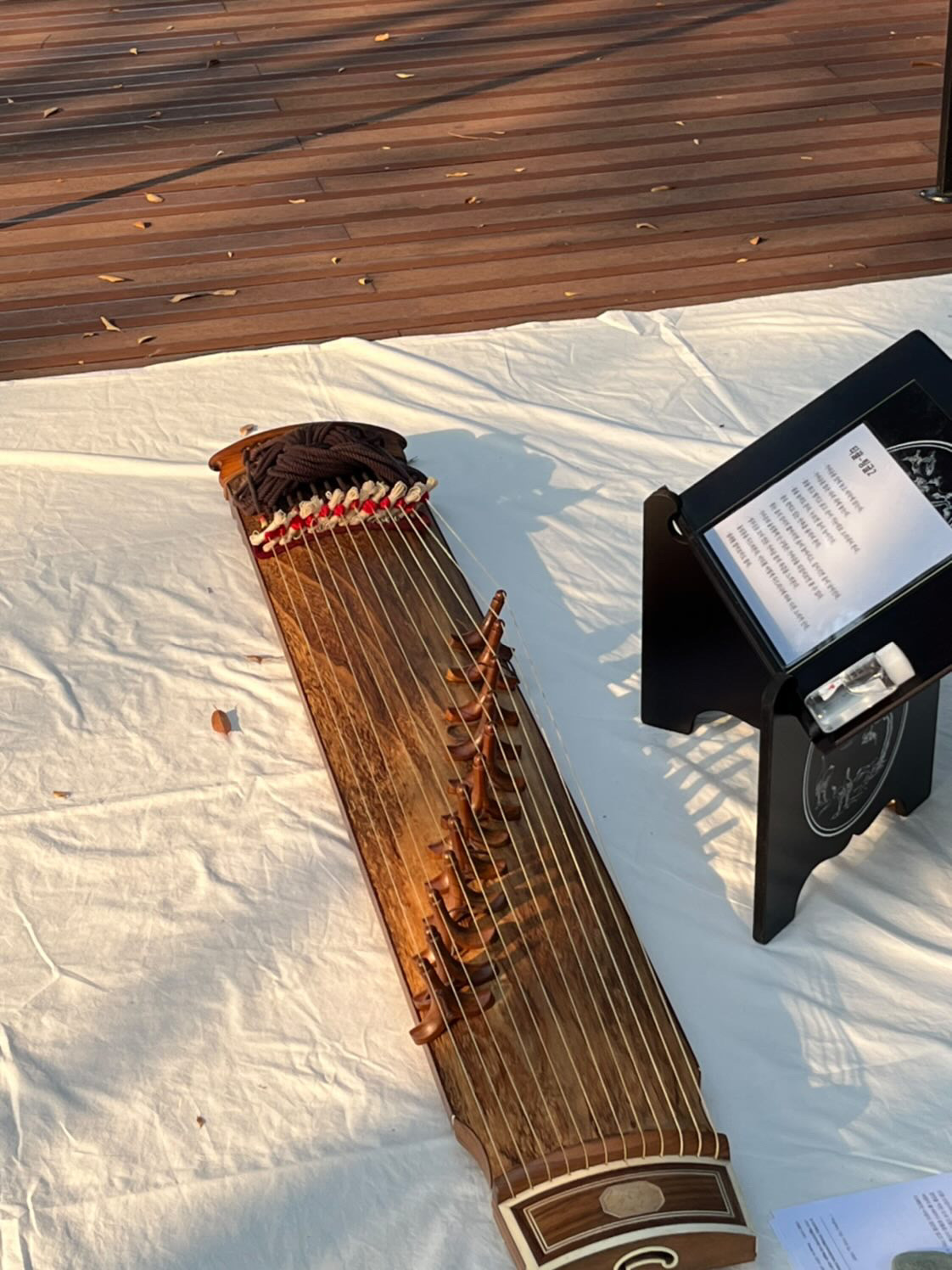
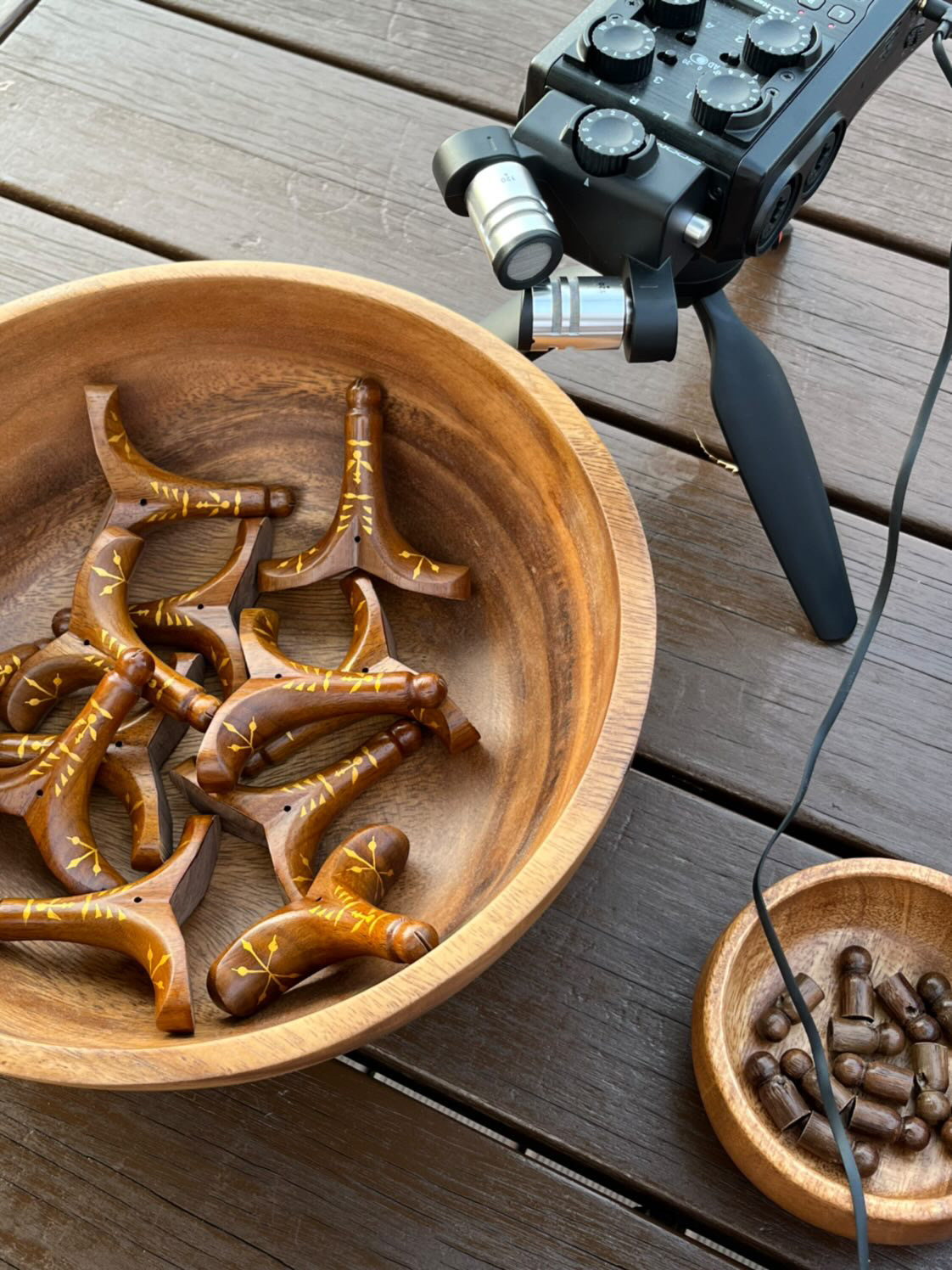
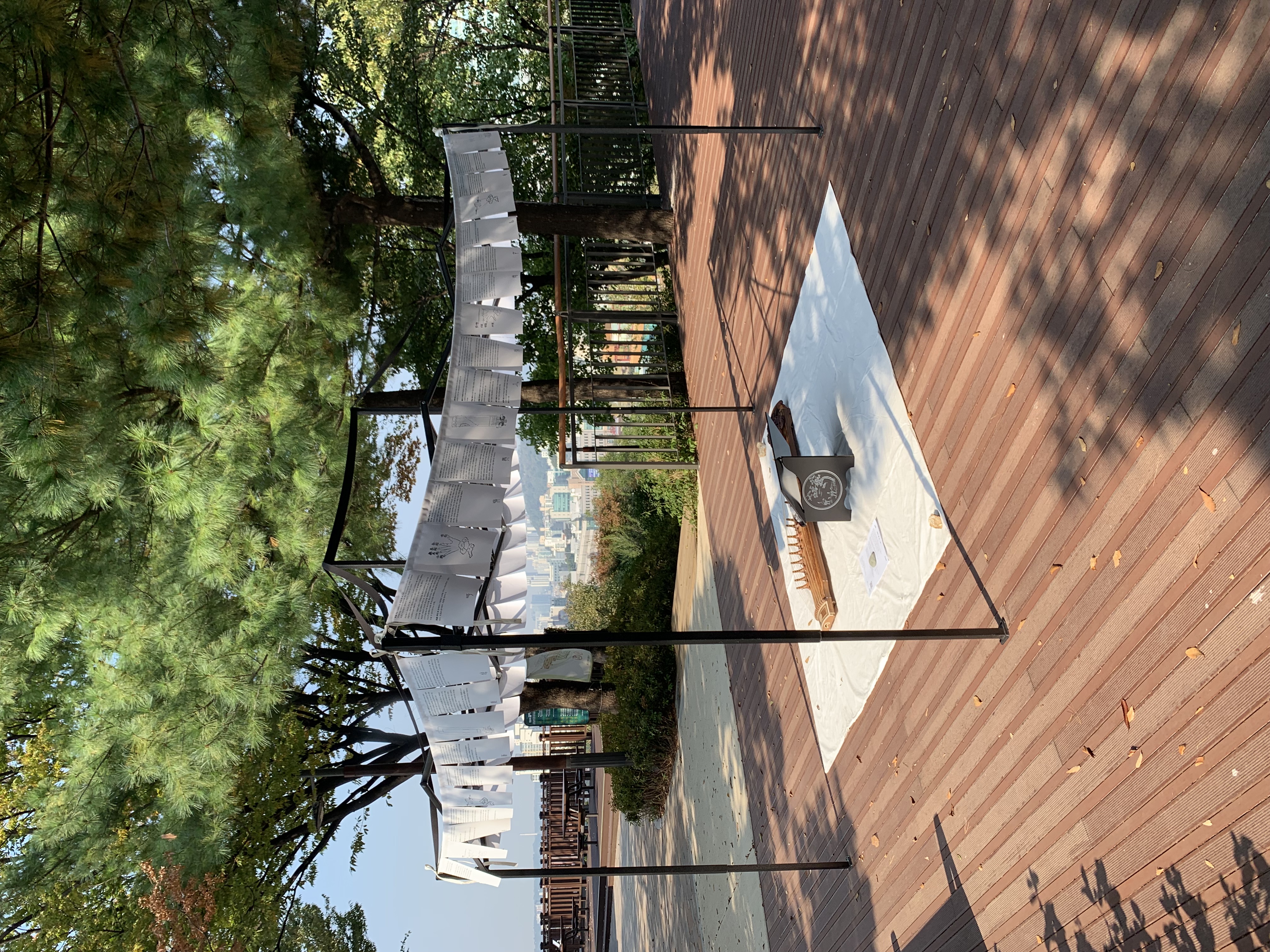
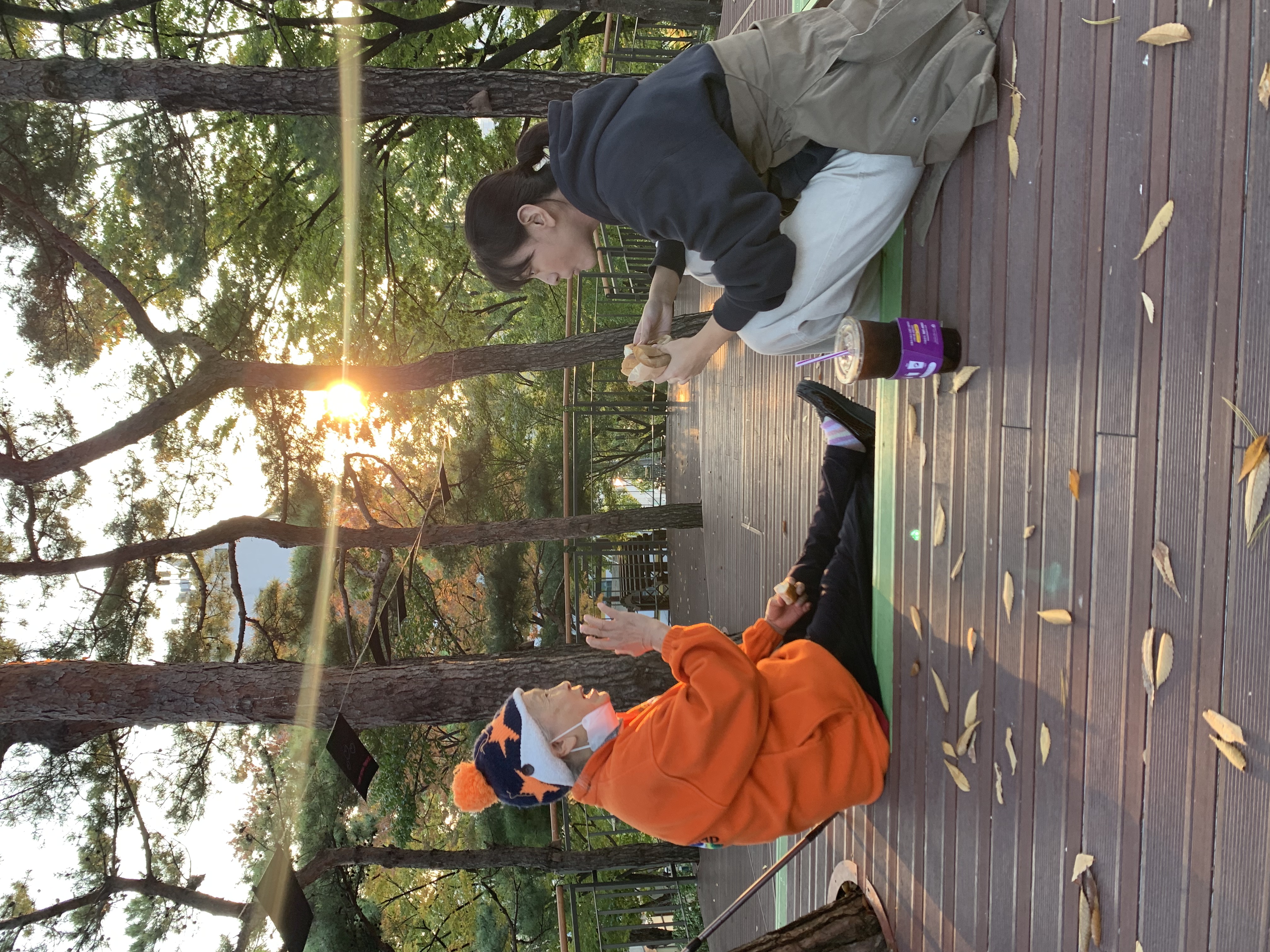
An outdoor soundscape installation created over six months of visiting Baramsan (literally “Wind Mountain”), located in Changcheon-dong, Seodaemun-gu, Seoul. Inspired by the themes of wind, mountain, and the dogs that frequent the mountain, words related to these were turned into small flag-like prayer banners (tarcho) and hung from a canopy. A gayageum was placed underneath, inviting visitors to make their own sounds with the instrument.
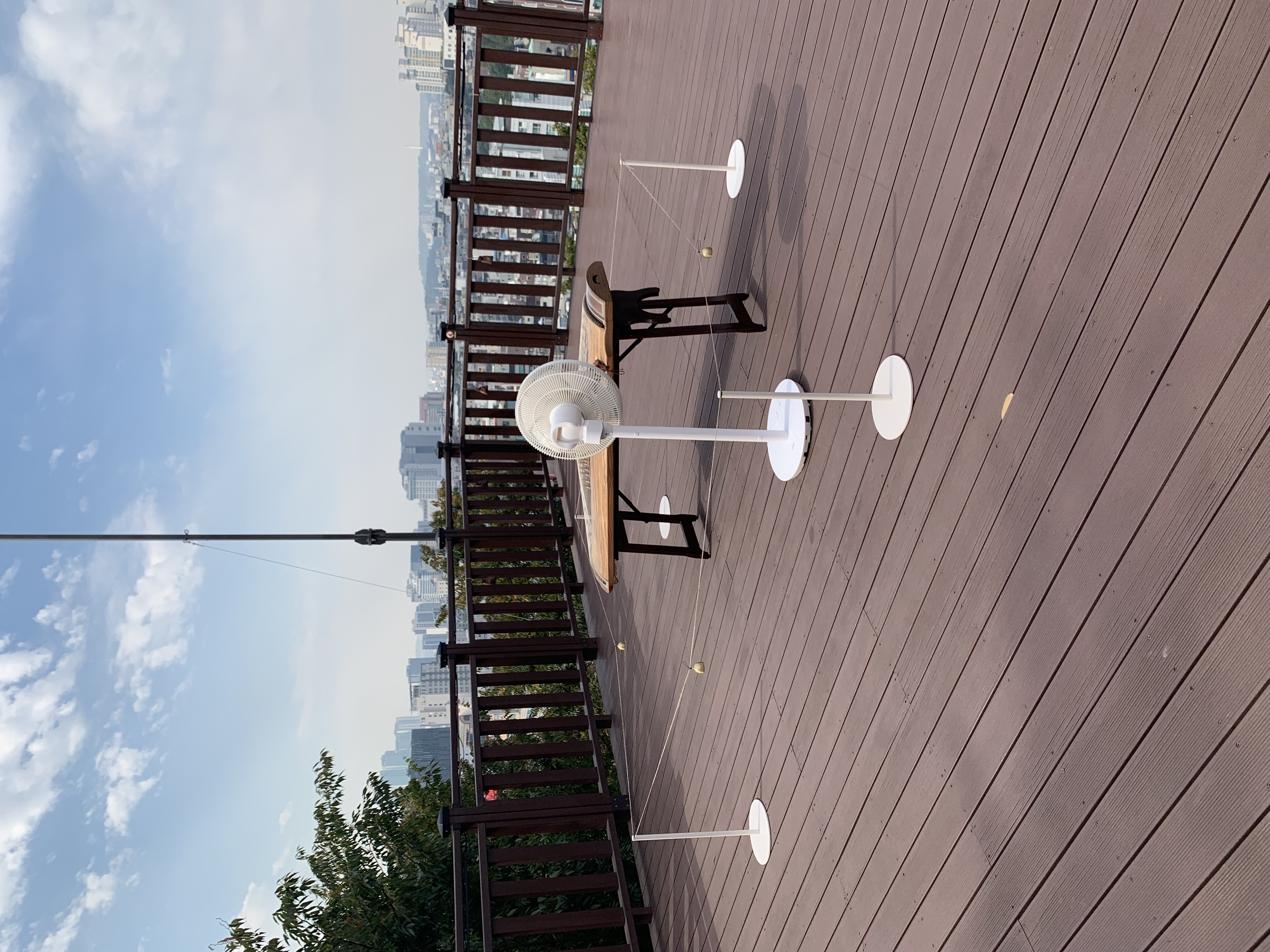
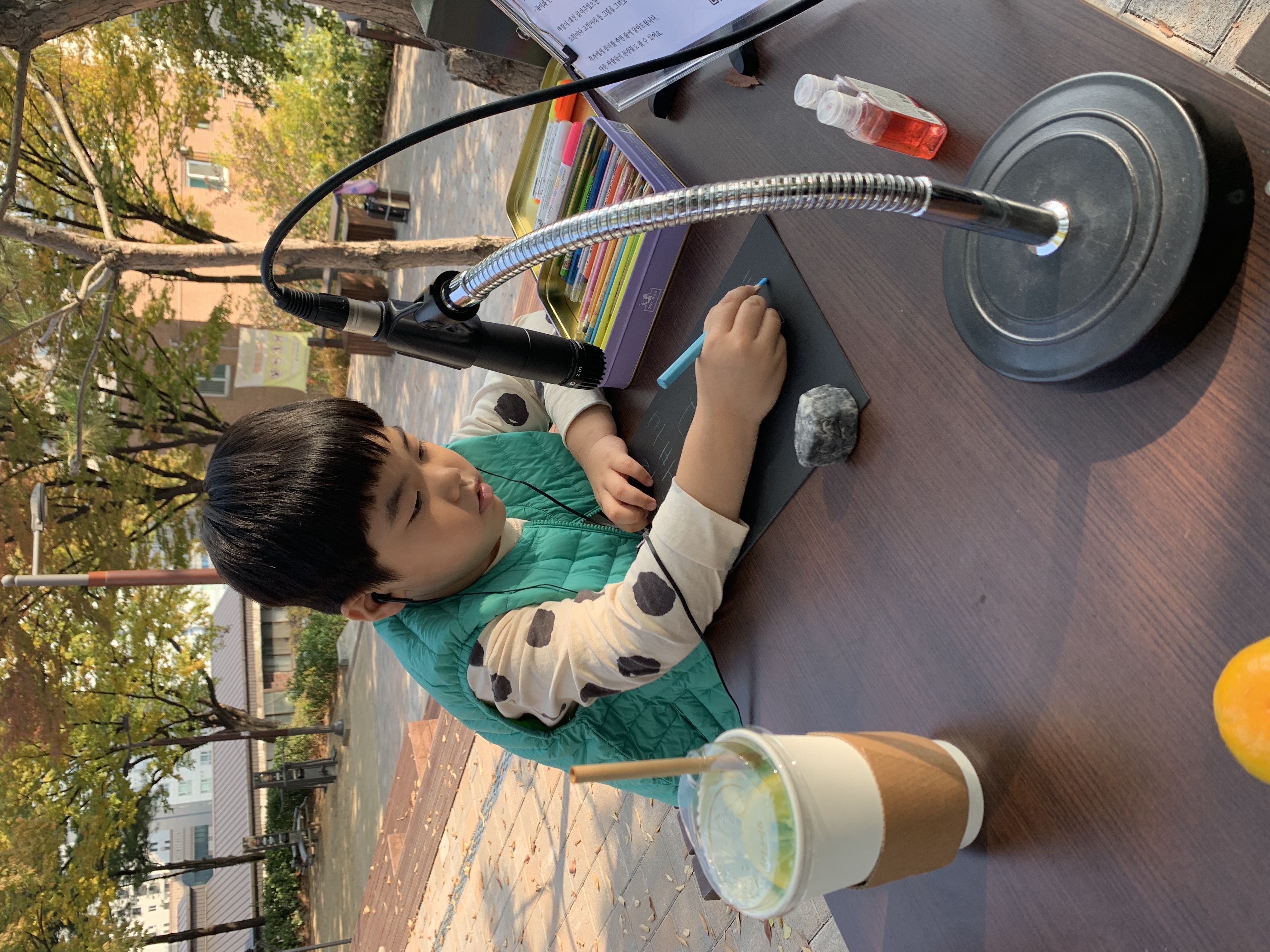
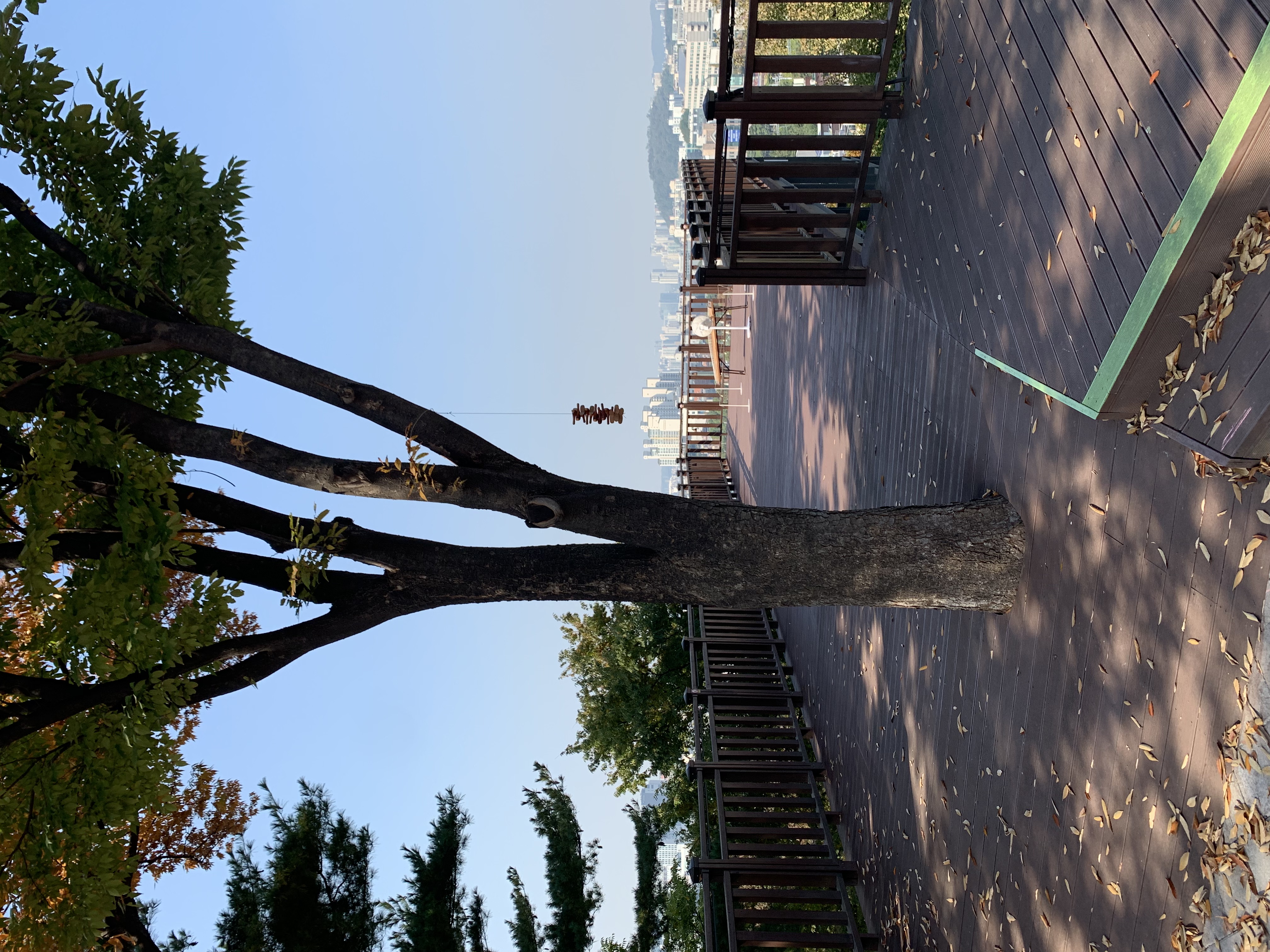
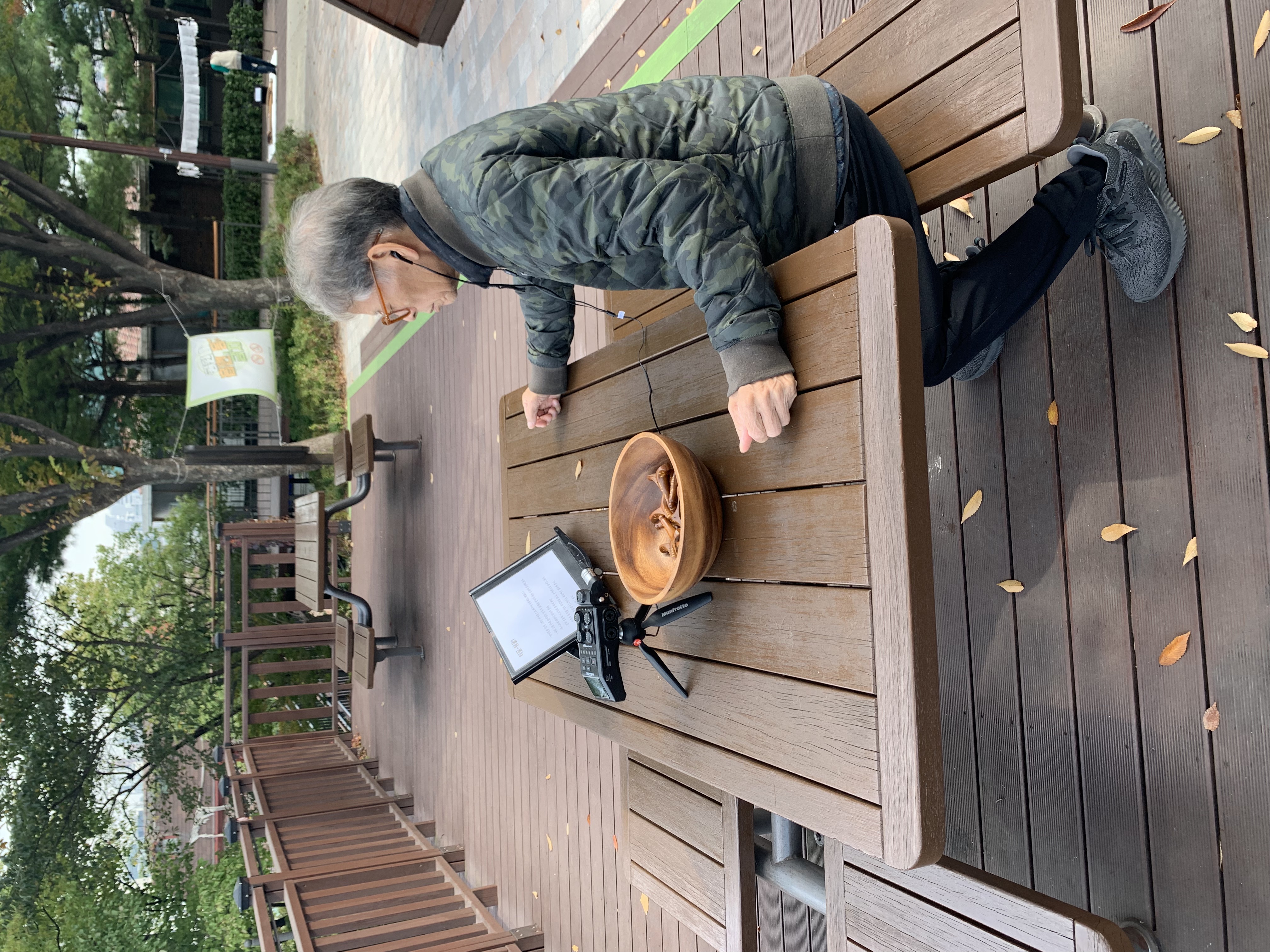
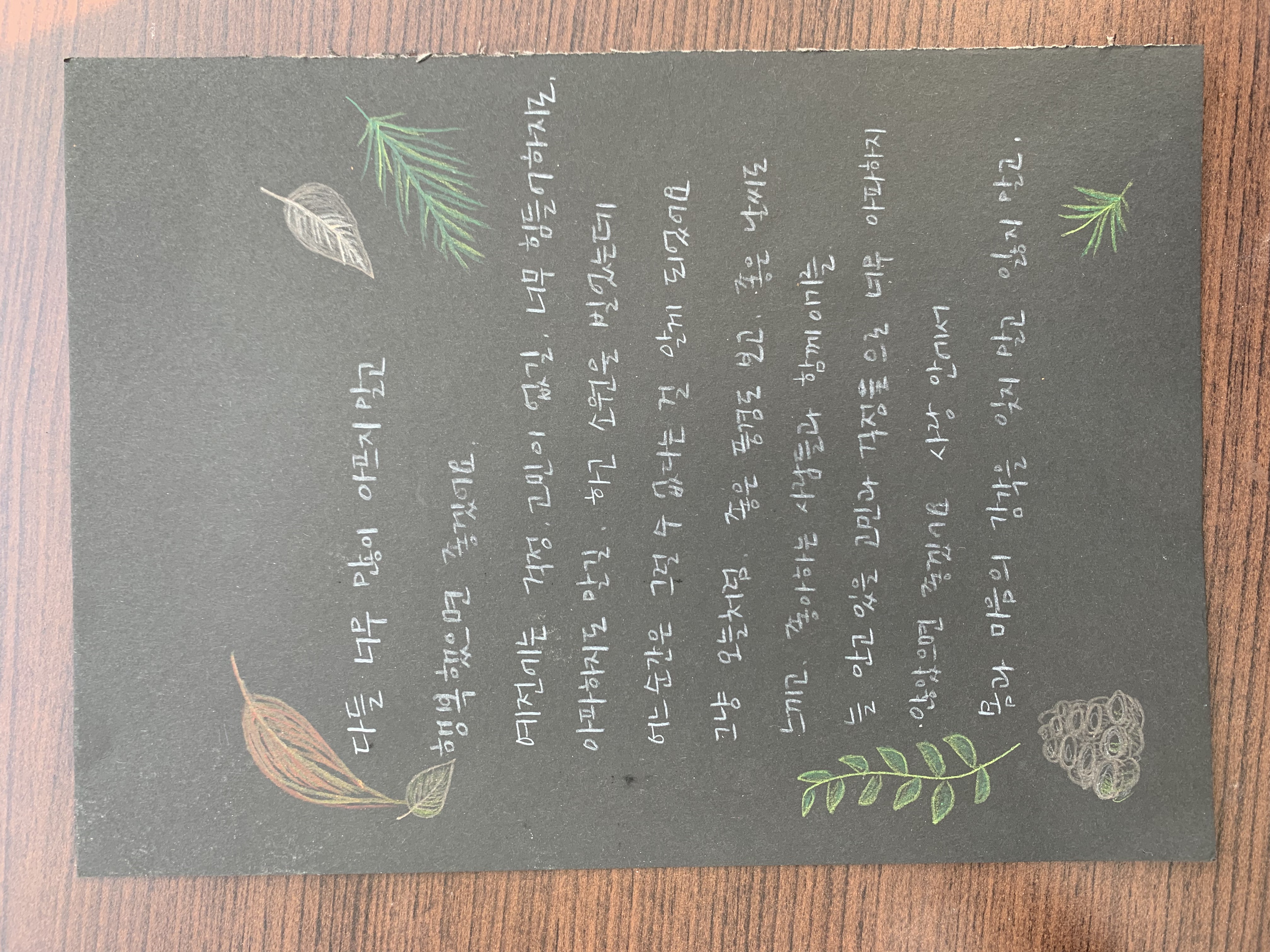
Viewers could also write down their wishes on paper while listening to the sound of their own writing, then turn them into tarcho and hang them up. As the tarcho gradually accumulated, they became part of the installation. On one side, a gayageum was installed to be played by the wind.
In biology, living things are divided into animals and plants. While animals are moving beings, the Chinese character for “plant” (植) means “to plant”—implying stillness. But are plants truly immobile?
Just as many unseen processes occur within our bodies, countless actions are happening inside plants. They breathe, and trees form networks through their roots.
The site, Baram Mountain (“Windy Mountain”), is a place where plants and trees gather. Inhalation and exhalation take place vividly here. Perhaps, this mountain breathes deeply.
In the Tibetan highlands, where mountains are regarded as sacred, there are prayer flags called tarcheo. These five-colored flags, inscribed with Buddhist scriptures, are often hung around lhatse—piles of stones marking sacred sites. When the wind blows, the tarcheo flutter and produce a sound resembling a horse’s neigh. Tibetans say that this sound is the wind reciting the scriptures as it passes by.(3)
(3) Yonghan Lee, The Closest Road to the Sky
☞ notion
☞ sound
☞ video
interactive outdoor soundscape installation
Concept, Director, installation, Sound design | Jo Seon Ah
Selected work sponsored by Korean Artists Welfare Foundation
An outdoor soundscape installation created over six months of visiting Baramsan (literally “Wind Mountain”), located in Changcheon-dong, Seodaemun-gu, Seoul. Inspired by the themes of wind, mountain, and the dogs that frequent the mountain, words related to these were turned into small flag-like prayer banners (tarcho) and hung from a canopy. A gayageum was placed underneath, inviting visitors to make their own sounds with the instrument.
Viewers could also write down their wishes on paper while listening to the sound of their own writing, then turn them into tarcho and hang them up. As the tarcho gradually accumulated, they became part of the installation. On one side, a gayageum was installed to be played by the wind.
In biology, living things are divided into animals and plants. While animals are moving beings, the Chinese character for “plant” (植) means “to plant”—implying stillness. But are plants truly immobile?
Just as many unseen processes occur within our bodies, countless actions are happening inside plants. They breathe, and trees form networks through their roots.
The site, Baram Mountain (“Windy Mountain”), is a place where plants and trees gather. Inhalation and exhalation take place vividly here. Perhaps, this mountain breathes deeply.
In the Tibetan highlands, where mountains are regarded as sacred, there are prayer flags called tarcheo. These five-colored flags, inscribed with Buddhist scriptures, are often hung around lhatse—piles of stones marking sacred sites. When the wind blows, the tarcheo flutter and produce a sound resembling a horse’s neigh. Tibetans say that this sound is the wind reciting the scriptures as it passes by.(3)
(3) Yonghan Lee, The Closest Road to the Sky
☞ notion
☞ sound
☞ video
interactive outdoor soundscape installation
Concept, Director, installation, Sound design | Jo Seon Ah
Selected work sponsored by Korean Artists Welfare Foundation